
As we prepare for Christmas – a season built on togetherness and tradition, web developer Miguel Peinado has shared some of the vibrant celebrations that take place in his home country of Spain. Festivals like Carnival Cádiz, La Tomatina, and Fallas show how shared joy and cultural pride can light up entire cities, much like the holidays bring light and warmth to ours.
Carnival Cádiz
One of Spain’s most celebrated and historic festivals, Carnival Cádiz transforms the entire city into a stage. For more than a thousand years, locals have embraced humour, satire, costumes, and music in a joyful expression of community spirit.
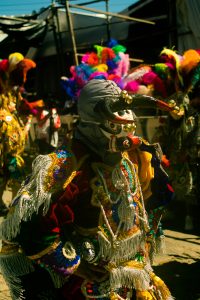
Photo by Arleth Mendez on Unsplash
Typically held in February (just before Ash Wednesday and the beginning of Lent), the event officially lasts 10 to 11 days and features:
- Chirigotas – humourous, satirical singing groups parodying current events with sharp wit.
- Comparsas – more serious or dramatic musical-poetic groups
- Coros – choirs that travel the streets, often performing on flatbed wagons
- Tipos – elaborate, clever costumes with expressive face paint rather than masks
- Street participation – nearly everyone in the city joins in the celebration
- Concurso Oficial de Agrupaciones Carnavalescas – a prestigious musical competition hosted at the Gran Teatro Falla.
La Tomatina
If Carnival Cádiz is known for music, La Tomatina is known for pure, unfiltered fun. Held the last Wednesday of August in the town of Buñol, it is often described as the world’s largest food fight.
In the days leading up to the event, the town hosts concerts, parades, fireworks, and paella Then at 11:00 am on festival day, a cannon signals the start and tens of thousands of people launch into a friendly hour-long tomato battle using over 100 metric tonnes of ripe tomatoes brought in by truck. Afterward, fire truck wash down the streets and the participants.
Why? The origins are still debated but today the festival is simply a joyful, messy celebration of community with no competition or deeper symbolism, just shared laughter and a whole lot of tomatoes.
Las Fallas
While La Tomatina revels in spontaneity, Las Fallas in Valencia is a deeply artistic and highly symbolic festival held each March. Neighbourhood groups spend months designing and building enormous, colourful, and satirical sculptures, called fallas, that can reach 6 to 9 metres (20 to 30 feet) tall.
Throughout the celebration:
- Parades wind through the streets
- Floral offerings are made to the Virgin Mary
- Bands perform daily
- Some of Spain’s most spectacular fireworks displays light up the sky.
On the final night, in a dramatic tradition marking renewal, the fallas are set ablaze in controlled bonfires across the city. Though these works of art can take a year to create, the burning represents letting go of the old to welcome the new.
Thank you, Miguel, for sharing these incredible Spanish celebrations. They’re a powerful reminder that traditions take many forms – joyful, loud, quiet, reflective, symbolic, messy, artistic, and everything in between.